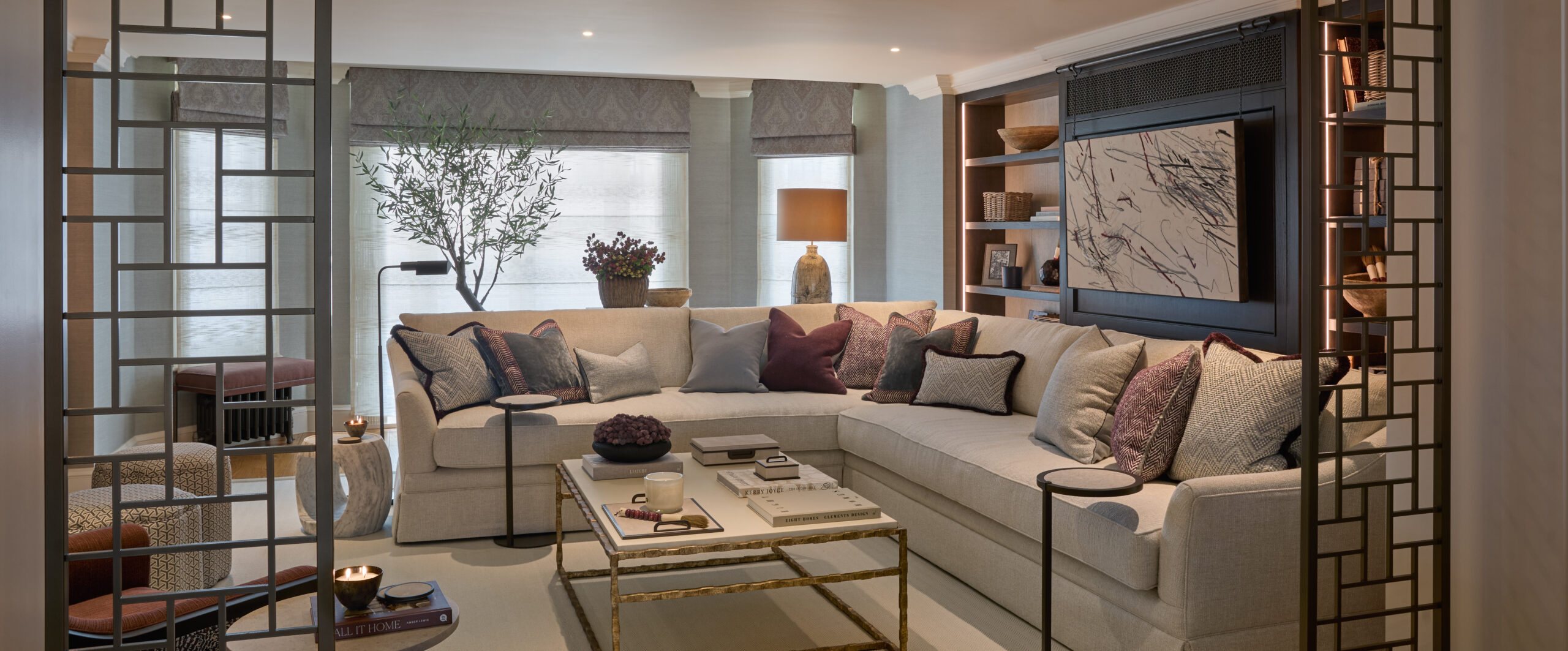
There’s something truly special about personalising your interiors. Walking into a home that feels entirely personal, where every corner, colour, and texture speaks to the people who live there. We believe your home should feel like a true reflection of you: your lifestyle, your memories, your tastes, and your story.
But how do you actually achieve that sense of individuality while still keeping your interiors elevated, cohesive, and timeless? Here are a few of my favourite ways to bring personality into a space while keeping it beautifully refined.
1. Celebrate the personal
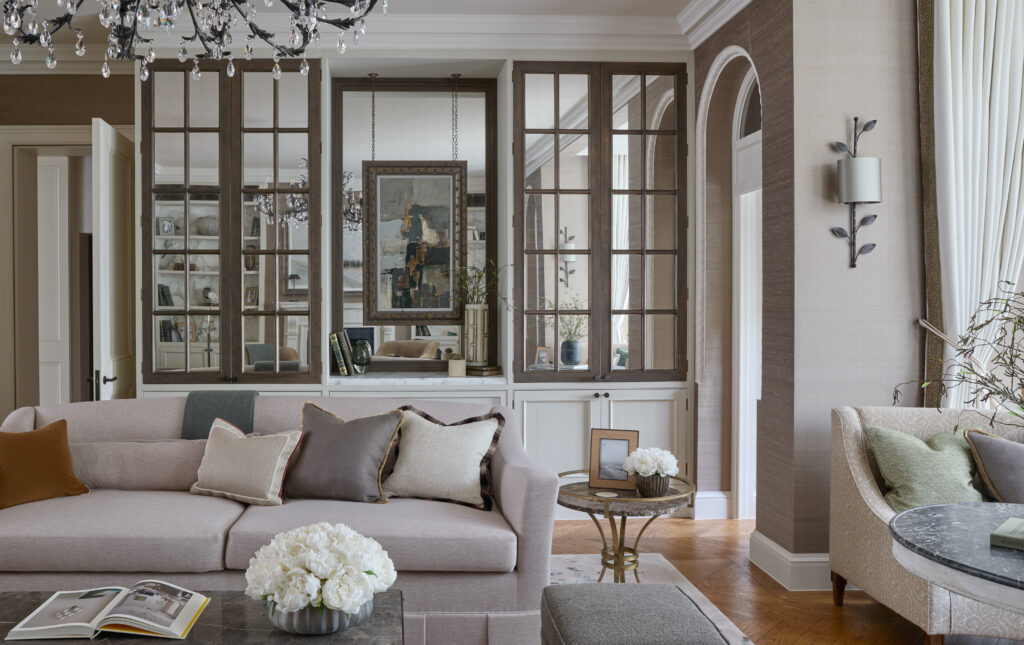
Personalising your home starts with the pieces that matter most to you; whether that’s family treasures, travel finds, meaningful art collected over time, or that little antique or marketplace find. These are the things that no one else can replicate, because they’re yours.
We often design bespoke joinery or built-in shelving to house and highlight these personal pieces, whether that’s a curated book collection, a sculptural object, or beautifully framed photographs. Displaying special items with intention helps elevate them, creating a space that feels deeply personal.
Bespoke frames are another wonderful way to elevate a cherished photo or artwork into a focal point. It’s not just about what you frame, but how you frame it. A bespoke frame can draw the eye, complement your colour palette, and give a sense of quiet importance to the piece itself. Whether it’s a family photograph, a child’s drawing, or a vintage print picked up on your travels, framing it thoughtfully makes it feel curated, considered, and uniquely yours.
2. Custom pieces & bespoke designs
Nothing says “personal” quite like something made just for you. Whether it’s a bespoke piece of furniture, a made-to-measure headboard in a fabric you love, or cushions finished with elegant trims or fringing, custom details bring individuality and character into a space. We regularly collaborate with skilled artisans and makers to create pieces that are thoughtfully tailored to our clients homes and lifestyles.
Personalisation doesn’t always have to mean large-scale or investment pieces, it can just as meaningfully be found in the smaller, thoughtful touches that bring daily joy. Monogrammed towels or robes, for example, lend a sense of everyday indulgence. In the kitchen, simple glass jars with handwritten or custom labels bring a calming sense of order, making daily routines feel more intentional and beautiful. Even switching out standard hardware like cabinet knobs for something more distinctive can instantly create a more bespoke, curated feel. It’s these subtle, personal touches that quietly speak volumes.

3. Use colour and texture to reflect your style
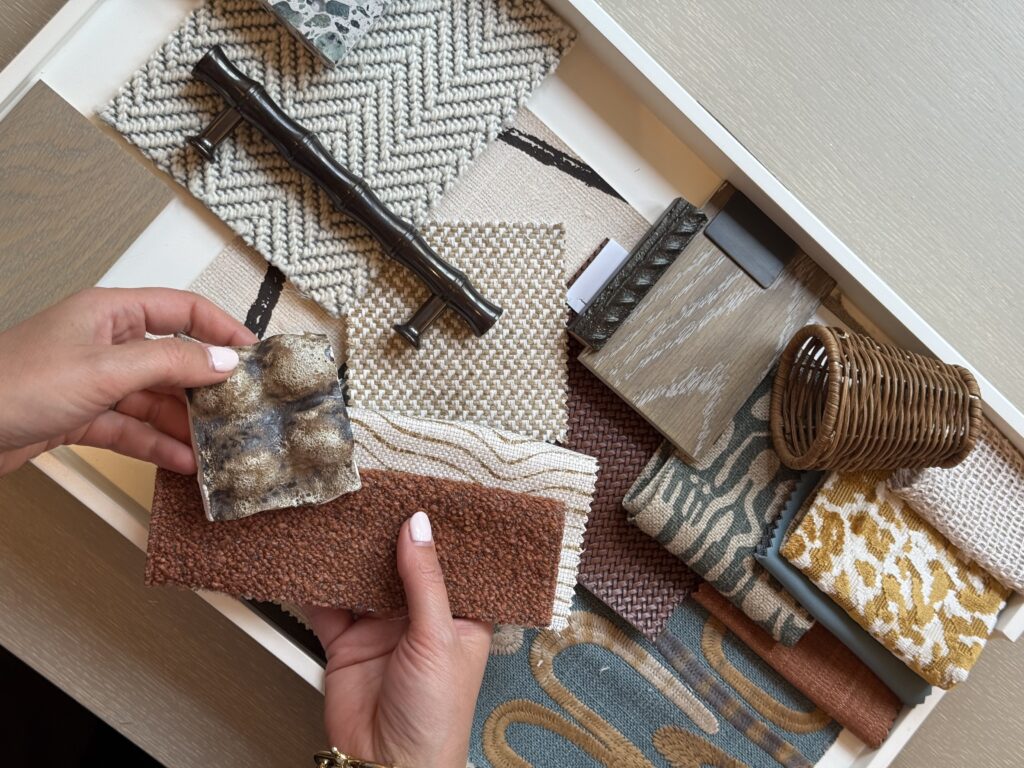
Your colour palette says so much about you. Whether you’re drawn to soft neutrals, warm earthy tones, or bold, moody hues, the colours you choose can completely shift the feel of a room.
We like to use texture to add depth and interest; velvets, linens, silks, aged metals, antique mirrors, and natural woods all help create a space that feels layered, inviting, and lived in. I tend to keep larger upholstered pieces like sofas and headboards neutral, as they give you more flexibility over time. I then like to bring colour into smaller upholstered items like an armchair or stools as well as using colour on cushions to give the room a more pulled-together look. I usually layer in one or two accent colours to add personality as well as mixing in metallic finishes like aged brass or bronze to stop things feeling too flat. These touches might show up in cushions, throws, curtain trims, lampshades, artwork, or accessories – small details that help bring the whole scheme together.
When it comes to choosing colours, if you don’t have a clear palette in mind, we often start with a star piece, something that really stands out or just speaks to you. It could be a beautiful cushion, a piece of art, a patterned fabric, a unique piece or marble, or even a vintage rug. From there, you can pull tones and textures into the rest of the room. It’s all about finding that one thing you love and letting it guide the rest. By playing with both colour and texture in this way, you can create a space that feels thoughtful, balanced, and personal.
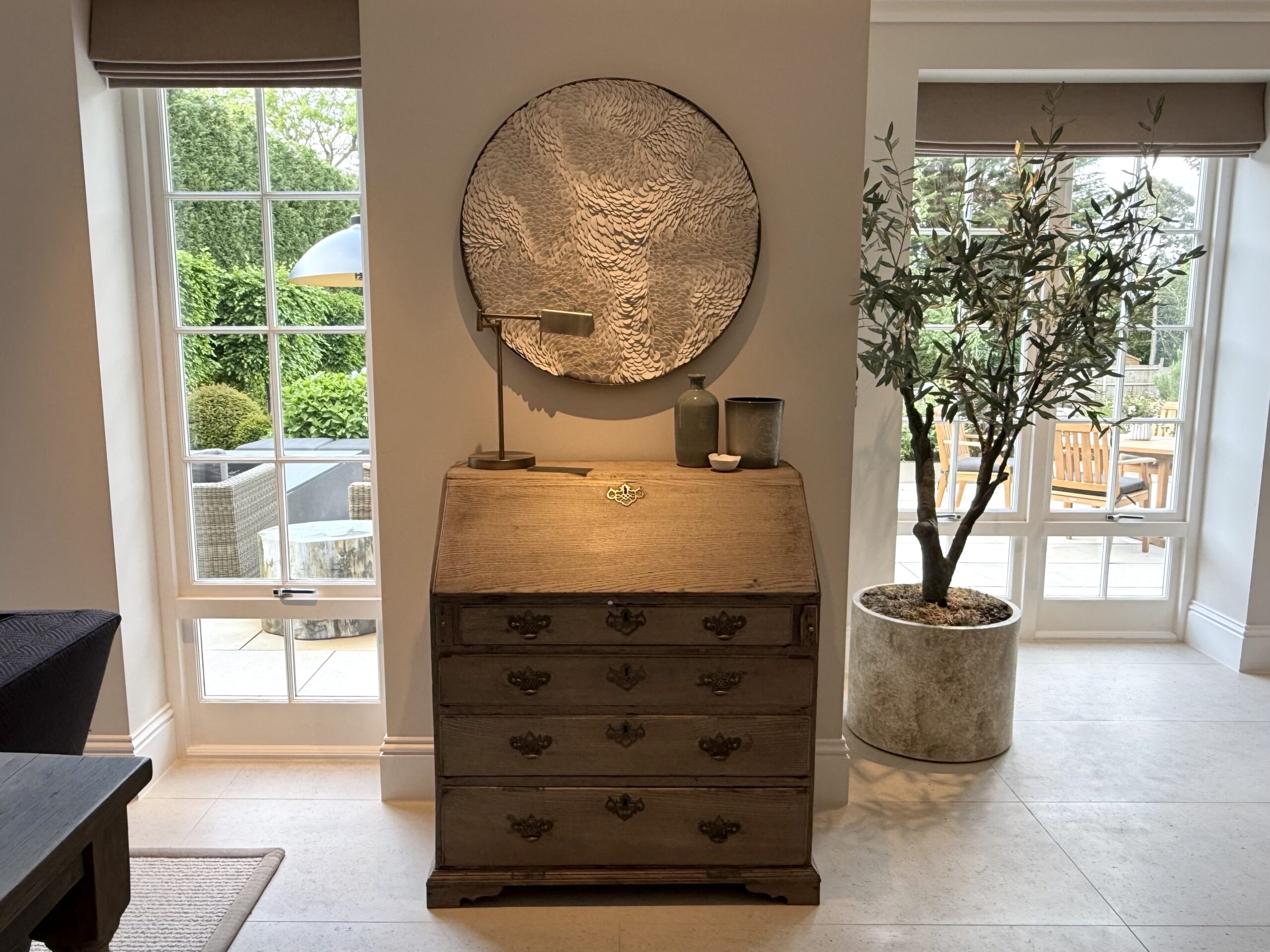
4. Source antiques to bring depth, character, and individuality
Using antiques in interiors is a beautiful way to bring depth, character, and individuality into your home. These pieces carry a sense of history and craftsmanship and every piece is truly one of a kind. Whether it’s a vintage mirror, an old chest of drawers, or a delicate porcelain vase, antiques add richness to a space and help strike a balance between old and new, grounding modern interiors with warmth and authenticity. Layering your home with items that feel meaningful, collected, and personal makes it feel truly lived-in and loved.
5. Layouts that work for your lifestyle
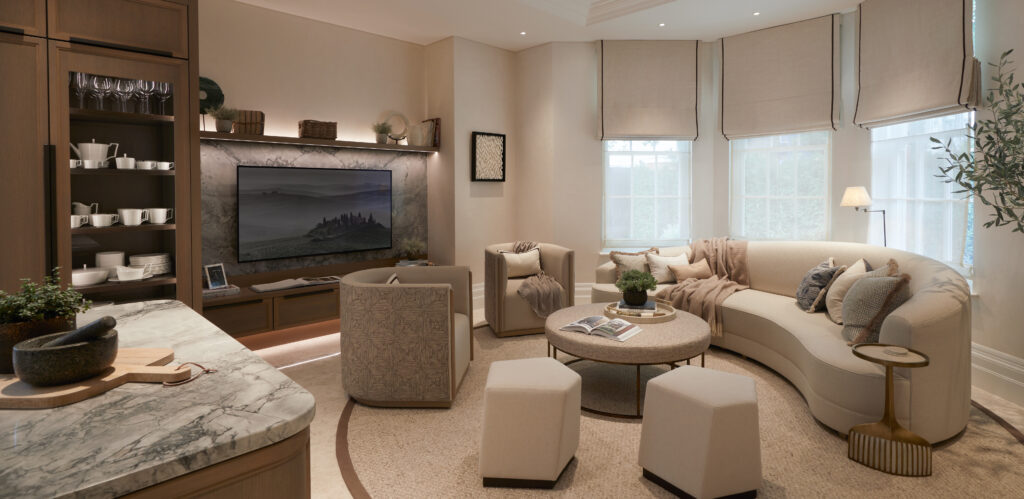
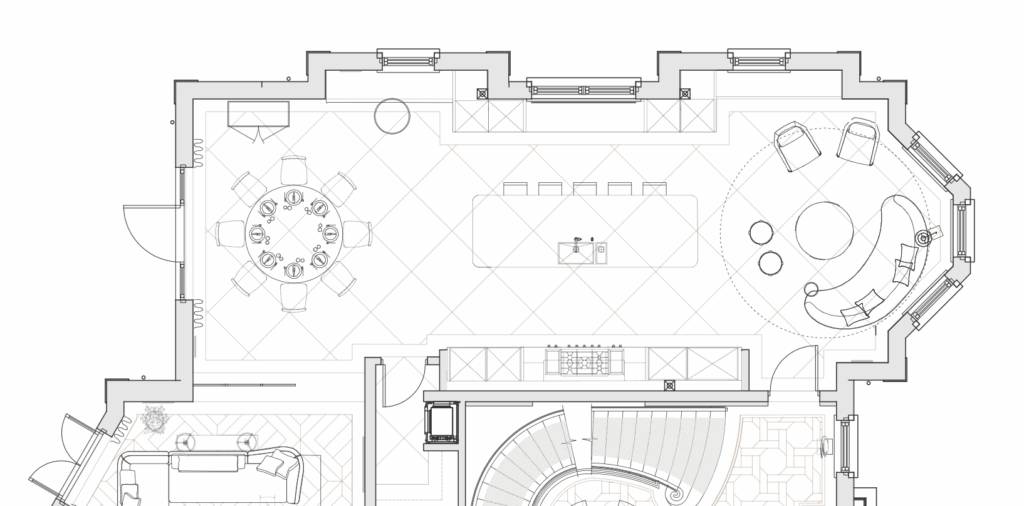
The layout of a room is one of the most powerful ways to personalise a space. It’s not just about where things fit, but how the space works for you. A well-considered layout should feel natural and intuitive, supporting the way you move through your home and the way you live in it.
If you love entertaining, prioritise open layouts with sociable seating arrangements around a central point like a coffee table or fireplace. If you unwind with a good book or a film, consider a more intimate setup with cosy corners and layered lighting. Thoughtful layouts aren’t just practical, they create flow, comfort, and personality in equal measure. For those looking to dive deeper into the world of interior design and exactly how to design room layouts, I invite you to explore my flagship course, “Interior Design Mastery – From Basics to Brilliance”.
6. Personalise through lighting
Lighting is such an impactful and often underestimated way to personalise your home. It’s not just about functionality; lighting sets the mood, defines key moments within a room, and brings your design to life. One of the biggest mistakes I see is people planning their lighting layout too early in the process. You really need to know exactly what’s going in the room first; where the furniture will be placed, what artwork or joinery is going where before finalising your lighting plan. That way, you can use lighting intentionally, highlighting the areas you want to draw attention to. I always recommend incorporating a variety of light sources and layering them, each one serving a purpose, whether it’s for reading, relaxing, or entertaining. Adjustable lighting that can be dimmed or tailored to suit different tasks not only enhances comfort and productivity but also allows the room to transition seamlessly from day to night, reflecting your lifestyle and how you want the space to feel.
Every home is unique and should be tailored to the people who live there. My course is designed to give you the confidence to create a space that feels like you, elegant, considered, and deeply personal. If you’re interested in becoming an interior designer, check out our blog “A day in the life of an interior designer”.
For more inspiration, visit our website and explore our portfolio to see how we’ve brought individuality and character to each of our clients’ homes through thoughtful, personalised design.
For exclusive behind-the-scenes insights, subscribe to our YouTube channel. For daily inspiration and updates, follow us on Instagram @sophiepatersoninteriors .