
How to manage your project install or renovation is one of the biggest challenges any homeowner or designer will face. A beautiful scheme on paper only comes to life if it is executed with precision, clarity, and foresight. At Sophie Paterson Interiors, we’ve learned that preparation is everything because the smoothest projects are never accidents, they’re carefully orchestrated. This post offers you a structured introduction to managing your renovation or installation, drawn from our experience and our online course, the Sophie Paterson Academy.
Timelines and Tracking
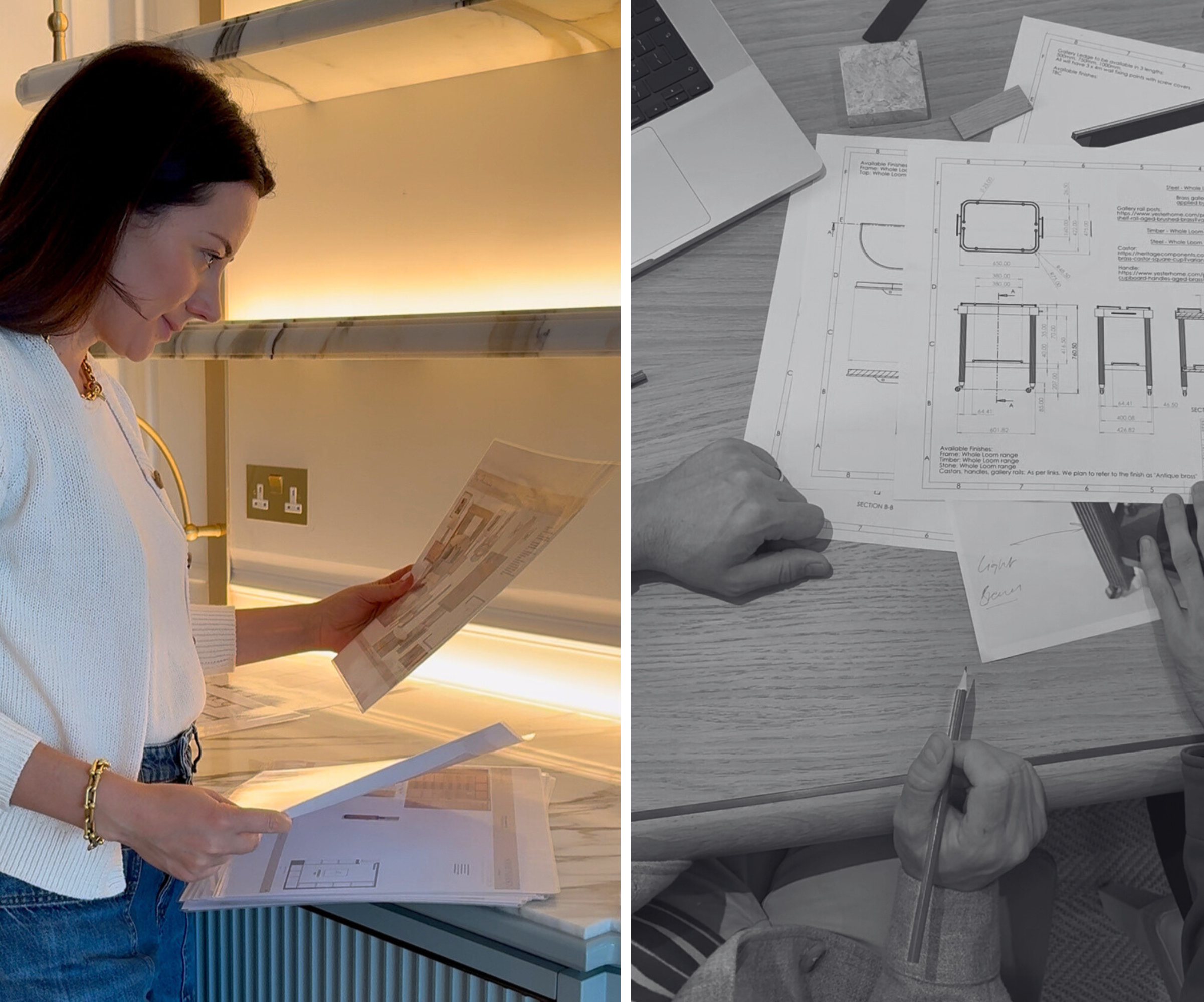
A clear timeline is at the heart of how to manage your project install or renovation. Without one, even the most organised design can unravel quickly. Building a project schedule starts by listing every trade and specialist involved; builders, electricians, joiners, decorators, flooring installers, AV technicians, and curtain makers.
Next, gather duration estimates from each trade. For example, an electrical re-wire may take three weeks, but only after demolition is complete, and it must finish before plastering can begin. By identifying these dependencies, you avoid bottlenecks that cause costly delays.
Once durations are confirmed, map out your milestones. A strong timeline also runs in parallel with your budget, logging actual spend against forecasts to prevent financial surprises. In the Sophie Paterson Academy course, we share examples of professional Gantt charts, room-by-room trackers, and spreadsheets that keep projects running seamlessly from start to finish.
Preparation Is Everything
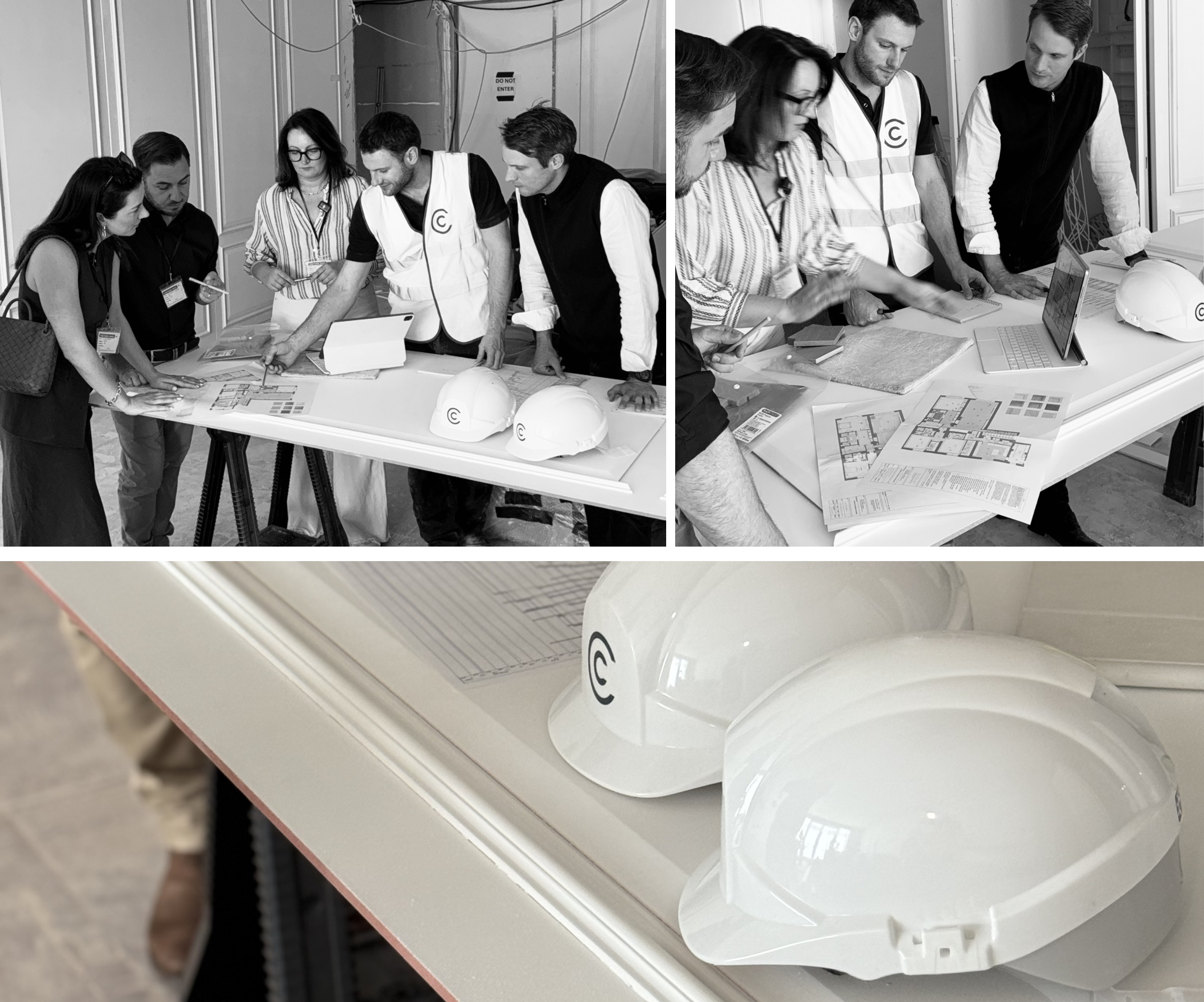
When considering how to manage your project install or renovation, the mindset of preparation is often undervalued. Preparation isn’t glamorous, but it underpins every successful project. It means ensuring contractors know not only what needs doing but when and why. A prepared project starts with clear sequencing. This foresight prevents last-minute compromises and reduces stress when multiple trades overlap.
Preparation also includes communication. Holding a pre-start meeting with your contractors helps align expectations. Walk through the property with your drawings in hand, discuss the scope of works, and allow space for questions. When trades understand the vision and sequence before lifting a tool, they work with confidence and therefore will deliver in turning your design vision into reality. In our course, we expand on how to structure these meetings and manage communication at every stage.
The Core Documents
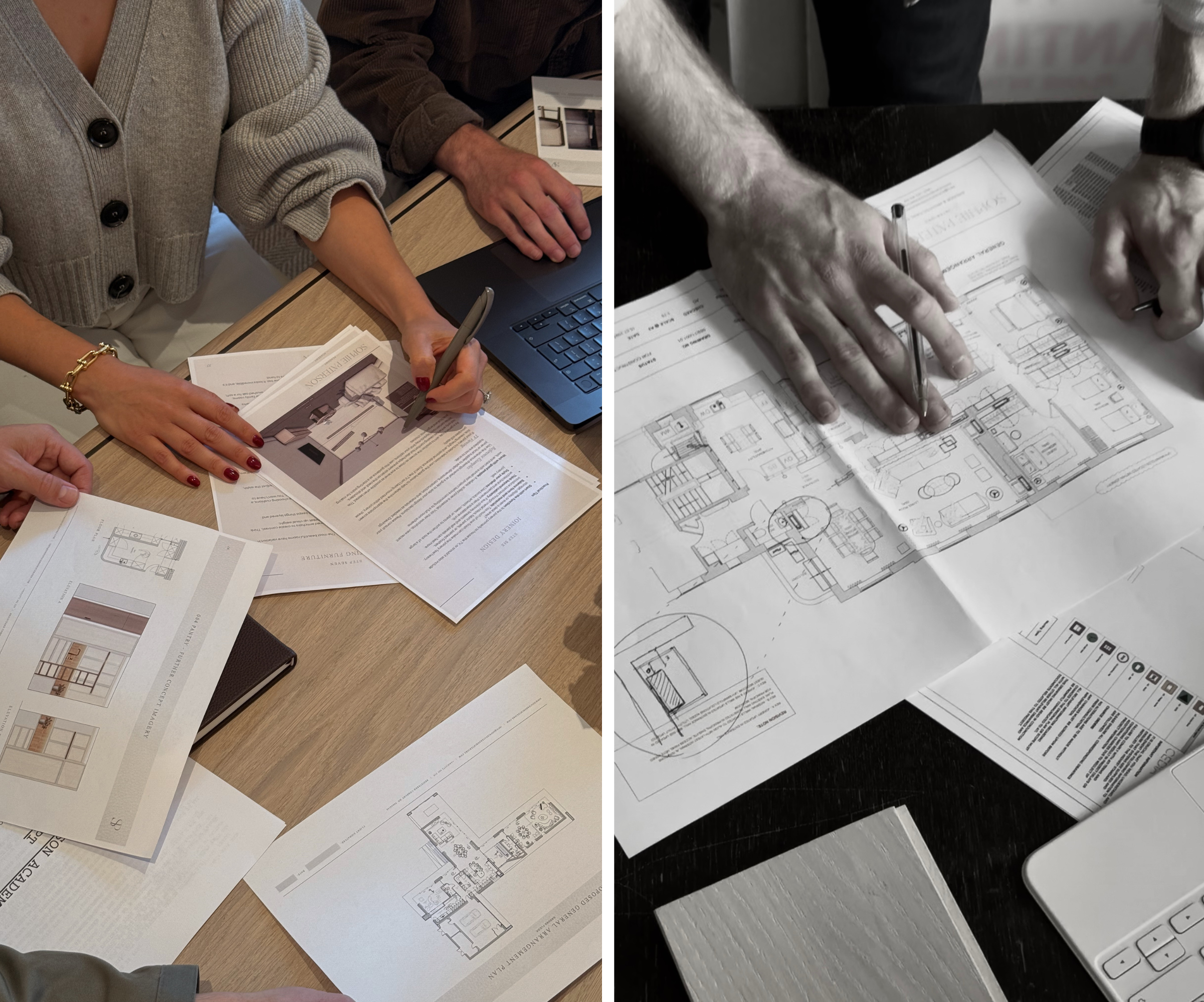
Another vital element of how to manage your project install or renovation lies in the creation of detailed documents. These are not decorative add-ons, they are the backbone of execution. For instance:
- Scaled General Arrangement Plans clarify exact furniture and joinery positions, preventing confusion about spatial intent.
- Floor Finishes Plans specify transitions, like a timber border around an inset carpet, which avoids disputes once flooring is laid.
- Small Power Plans detail socket placement, such as floor boxes beneath a free-standing desk, ensuring both aesthetics and functionality.
- Internal Elevations & Joinery Drawings provide exact dimensions and spacing, so bespoke joinery is built right first time.
Each of these documents reduces misinterpretation and safeguards your budget. The above list are just a few examples, but in the Sophie Paterson Academy course, we share real examples of all the plans you will need, along with templates to help you build your own project pack.
The Tender Process
A core part of how to manage your project install or renovation is choosing the right contractors. This should be less about finding the lowest quote and more about securing quality and reliability if you want the installation to be as high quality as possible. Always gather three to four quotations, compare them line by line against your specifications, and look out for omissions. Personal recommendations are useful, but take them further, visit workshops, see live projects, and speak to past clients directly. Once you’ve shortlisted, meet each contractor to review the design together and align on timelines. The above are just some of my tips, in the Sophie Paterson Academy, we break down further exactly how you can receive the best possible quote for your project.
The Early Renovation Phase
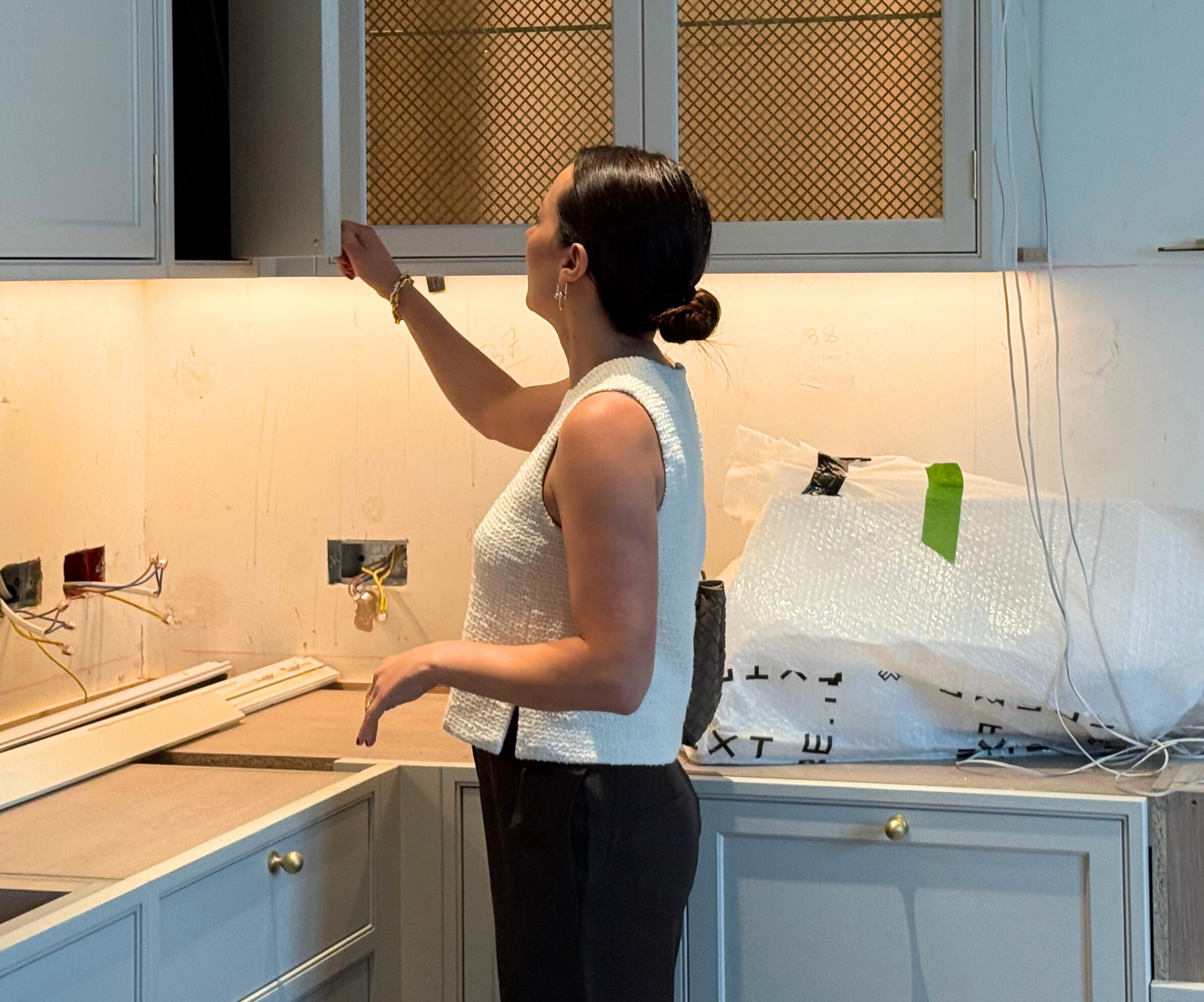
To fully understand how to manage your project install or renovation, you need to stay actively involved during the early phase. Demolition may seem straightforward, but the first fix of plumbing, electrics, and mechanical systems is a turning point.
Site visits every two to three weeks allow you to check that sockets, pipes, and lighting positions are installed exactly as drawn. Catching mistakes at this stage avoids expensive rework later. Our course includes room-specific checklists to help you stay on top of details without feeling overwhelmed.
Off-Site Manufacturing and Purchasing
A significant part of how to manage your project install or renovation happens away from the property. Bespoke joinery, furniture, and upholstery are often made off-site, which requires proactive monitoring. Visiting workshops to check progress, verifying dimensions, and keeping track of lead times are all essential. If a dining table arrives two weeks late, your decorator may need to reschedule, causing a domino effect on your timeline. In the Academy, we show you how to track procurement effectively and anticipate supply-chain risks with real case studies and examples.

Snagging and Finishing
The final stage in how to manage your project install or renovation is snagging. This is the process of checking finishes paintwork, fittings, joinery for minor defects. A collaborative snagging process builds trust with contractors while ensuring the highest quality. In the Sophie Paterson Academy, we share how to coordinate snagging effectively, ensuring your home or project is finished to the highest standard and truly reflects your design vision.

MY FINAL ADVICE
Learning how to manage your project install or renovation is not just about getting the logistics and timelines right it’s about ensuring your design vision is fully realised. Every misstep, from unclear documentation to poor sequencing, erodes the beauty of your original concept. By mastering preparation, timelines, and communication, you give your design the best chance of success. For in-depth templates, strategies, and room-by-room guidance, the Sophie Paterson Academy course offers the structured support you need.

NEED MORE Behind-the-Scenes content?
If you’d like to see more of what goes into how to manage your project, our YouTube channel offers a behind-the-scenes look at life as an interior designer. From library days to site visits, it reveals the balance between creativity and project management. Watch the video below for an authentic glimpse into the process of one of my toughest projects to date!
For more inspiration, explore our portfolio to see how I translate timeless design principles into distinctive, character-filled homes. For exclusive behind-the-scenes content, including project reveals, product collaborations, and more insights into our design process, subscribe to our YouTube channel.
And for daily inspiration, updates, and a closer look at life inside the studio, follow us on Instagram @sophiepatersoninteriors and Tik Tok @sophiepatersoninteriors