If you’re wondering how to choose wall panelling for your home, my first piece of advice isn’t to begin with Pinterest or the latest interiors trend. Instead it’s to start with the architecture of your property.
Wall panelling is something we use frequently within our projects at Sophie Paterson Interiors, from traditional moulded panelling in period properties to much simpler detailing in contemporary homes. When it is done well, it can completely transform a room, adding architectural interest, depth and character. But the style, proportions and finish all need to feel appropriate for the property.
After more than 18 years designing residential interiors, I’ve learnt that the most successful panelling is rarely the panelling that demands the most attention. Instead, it should feel as though it has always belonged there.
How to Choose the Right Wall Panelling?
When considering how to choose wall panelling, I always look at the room as a whole before thinking about individual mouldings or panel designs. The age and architecture of the property, ceiling height, existing cornices and skirting, doors, windows and even the furniture all influence what will work.
This is particularly important because there are so many wall panelling styles to choose from. What works beautifully in a Georgian townhouse may look completely out of place in a contemporary apartment. Equally, adding overly ornate panelling to a room without the proportions to support it can make the space feel unnecessarily busy.
My aim is always to create interiors that feel timeless rather than trend-led, and I approach architectural detailing in exactly the same way.
Let the Architecture of Your Home Lead You
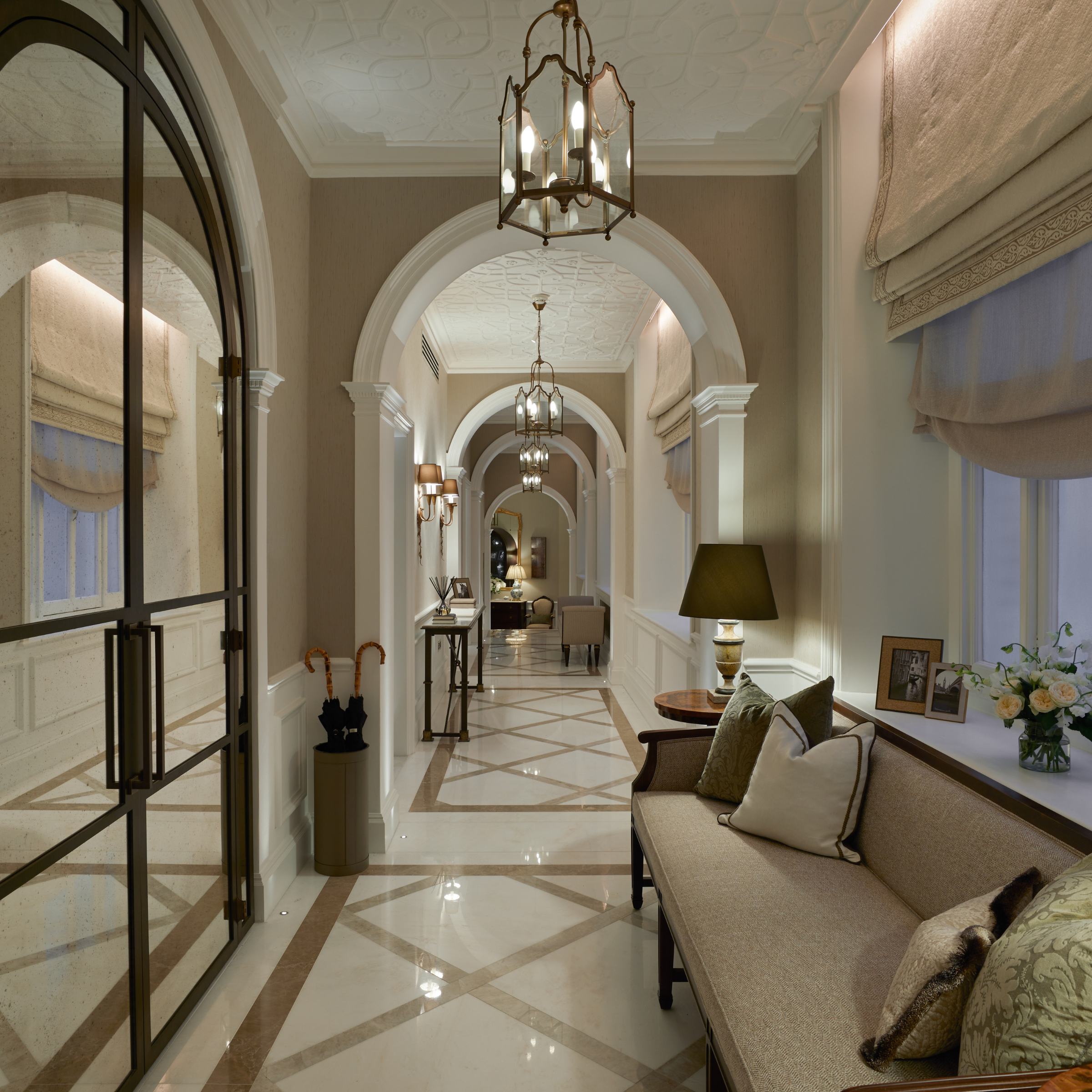
The architecture is always my starting point when choosing wall panelling. Rather than asking, “Which style do I like?”, I would ask, “Which style feels appropriate for this particular home?”
In period properties, more traditional mouldings and raised-and-fielded panelling can work beautifully because they relate naturally to the architectural language of the building. In a newer property, I might simplify those details considerably, using cleaner mouldings or introducing timber, upholstered or fabric-covered panels instead.
Panelling can also be particularly effective in modern properties that lack architectural character. It is a wonderful way to introduce depth and interest to otherwise flat walls, but I would never try to make a new-build pretend to be a period property. The detailing still needs to feel authentic to the space.
Understand the Different Wall Panelling Styles
Understanding the different types of wall panelling will make it much easier to narrow down what is appropriate for your home.
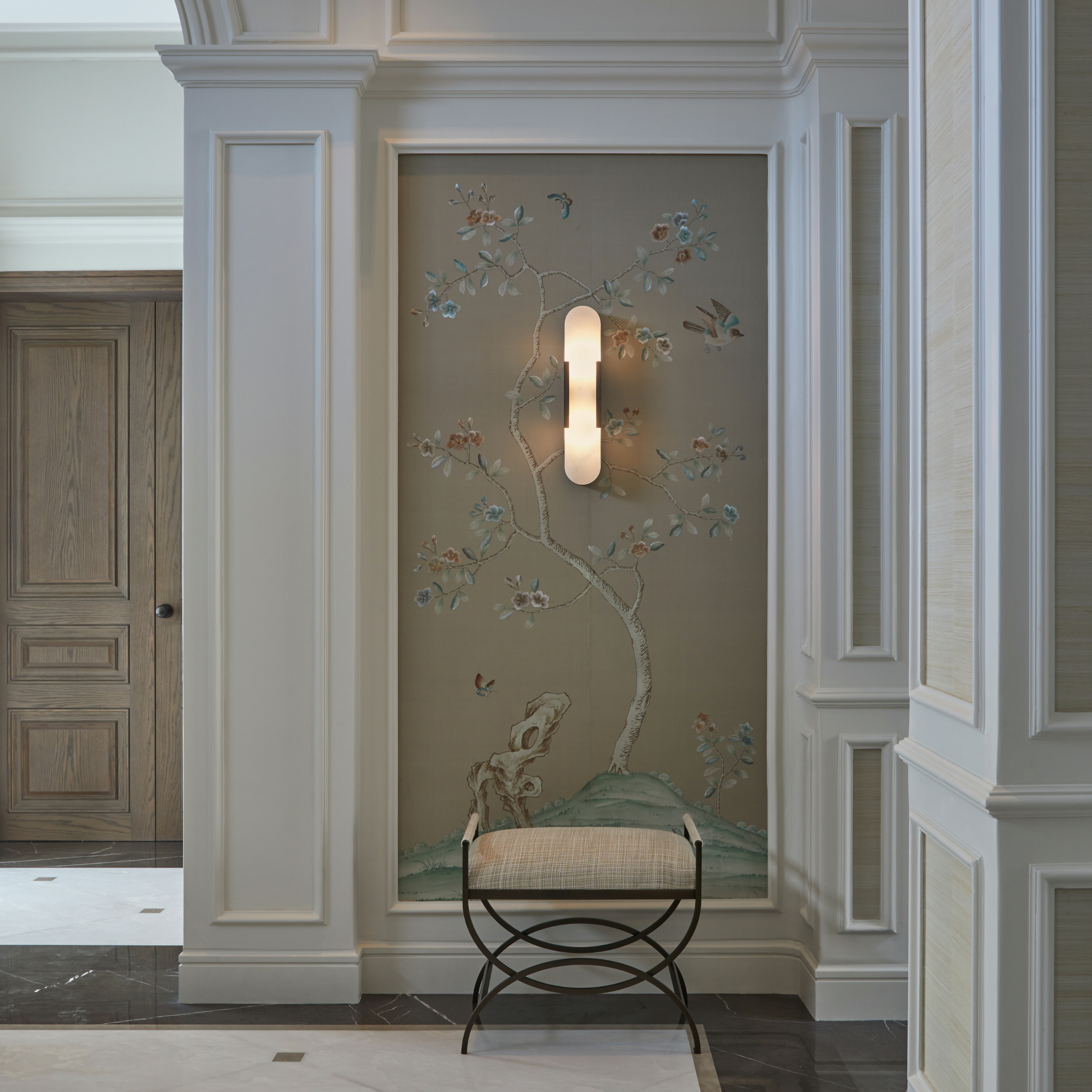
Traditional moulded panelling is something I often use in elegant entrance halls, drawing rooms and dining spaces. Shaker-style panelling has simpler lines and can work beautifully in more relaxed interiors, while tongue-and-groove creates a softer, more informal look that can suit boot rooms, utility spaces and bathrooms.
For more contemporary schemes, timber veneer panelling can add enormous warmth, while upholstered or fabric-covered panels can introduce softness and acoustic benefits. These are particularly effective in bedrooms, cinemas and studies where you want the room to feel enveloping.
Rather than choosing between these wall panelling styles based purely on appearance, think about the atmosphere you are trying to create and how that relates to the rest of your home.
Get the Proportions Right
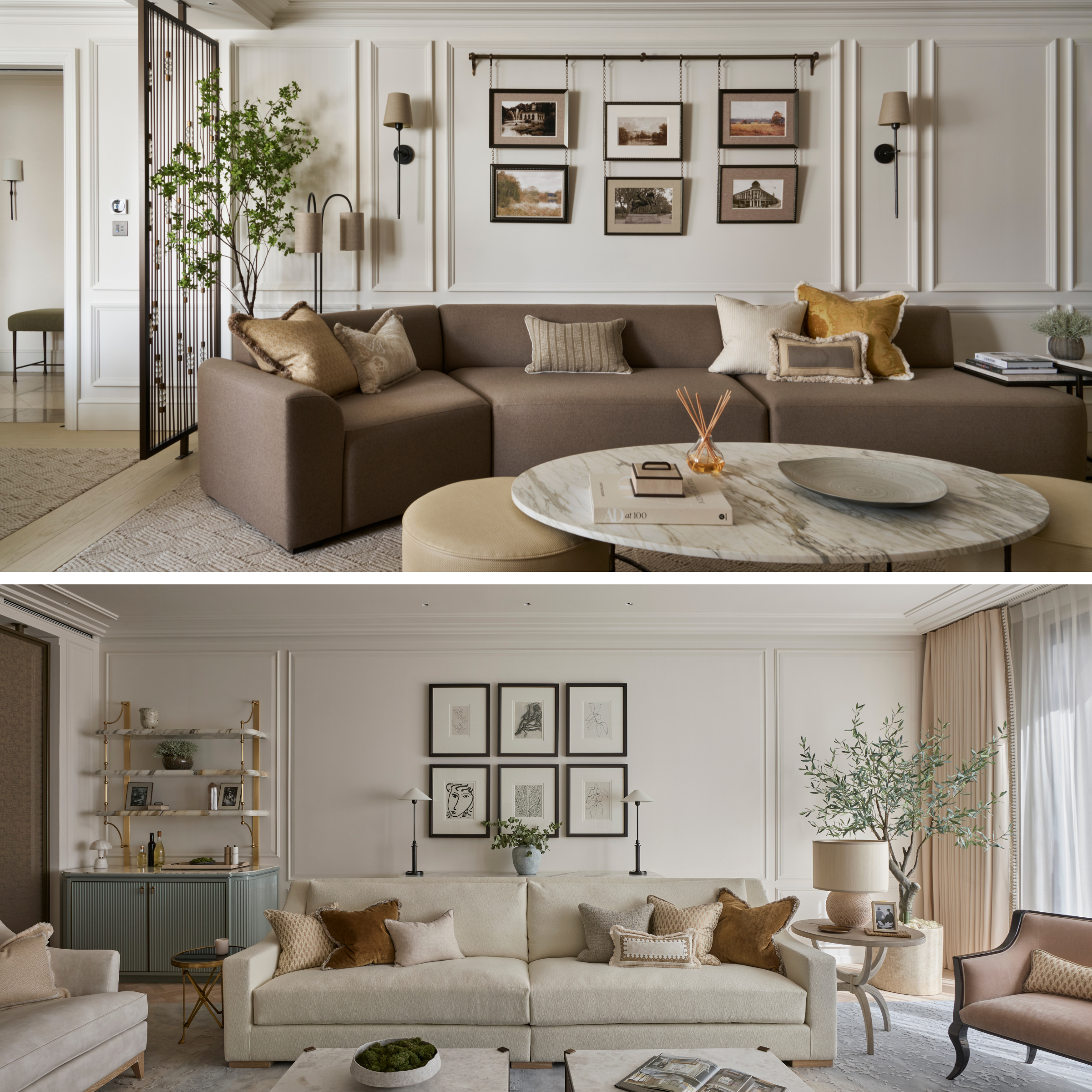
If you take one thing from this guide on how to choose wall panelling, let it be this: proportion is everything.
You can choose a beautiful moulding, but if the panels are too narrow, too wide or positioned awkwardly around doors, artwork and furniture, something will always feel slightly wrong.
Within the studio, we look at the entire wall elevation when designing panelling. We consider ceiling height, doors, windows, fireplaces, wall lights, sockets and the furniture that will eventually sit against it.
Vertical panels can help draw your eye upwards and emphasise ceiling height, whereas wider rectangular panels can create a calmer and more expansive feeling. There isn’t one formula that works for every room, which is why I would always recommend drawing the elevation before any panelling is installed.
Consider Your Furniture, Artwork and Lighting
One of the most common mistakes I see with choosing wall panelling is treating the panelling as an isolated decision.
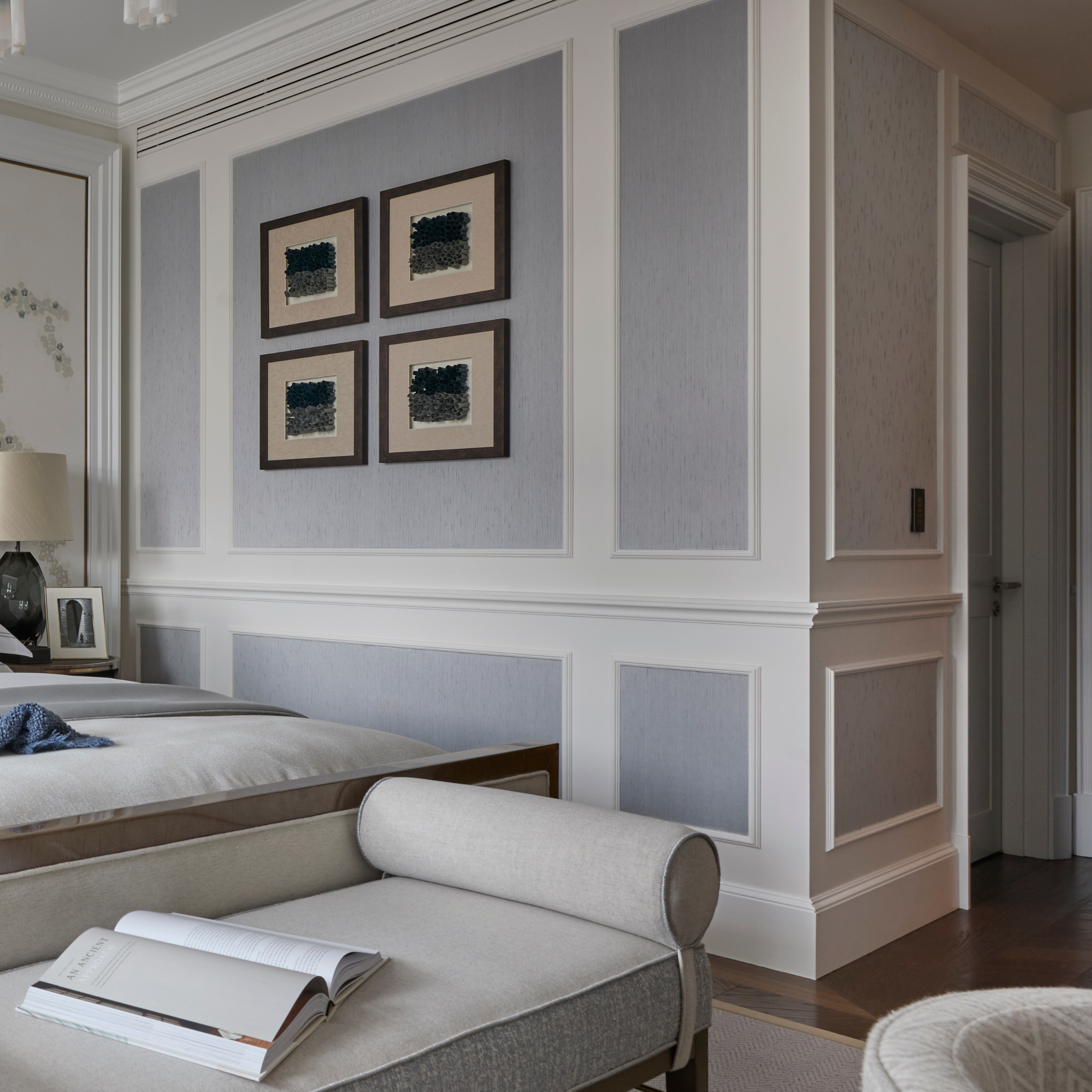
We design panelling alongside everything that will eventually interact with it. If a console table is going against the wall, where will it sit in relation to the panels? If you are hanging artwork, can the panel dimensions frame it naturally? If you are installing wall lights, can they sit centrally within the mouldings?
I particularly love using panelling to create a framework for artwork. When the proportions are considered properly, the artwork and architecture enhance one another rather than competing for attention.
This is why planning elevations is such an important part of the interior design process. A few centimetres can completely change how balanced a wall feels.
Think Carefully About Colour and Finish
Once you have chosen wall panelling which works with your space architecturally, you can start thinking about the finish.
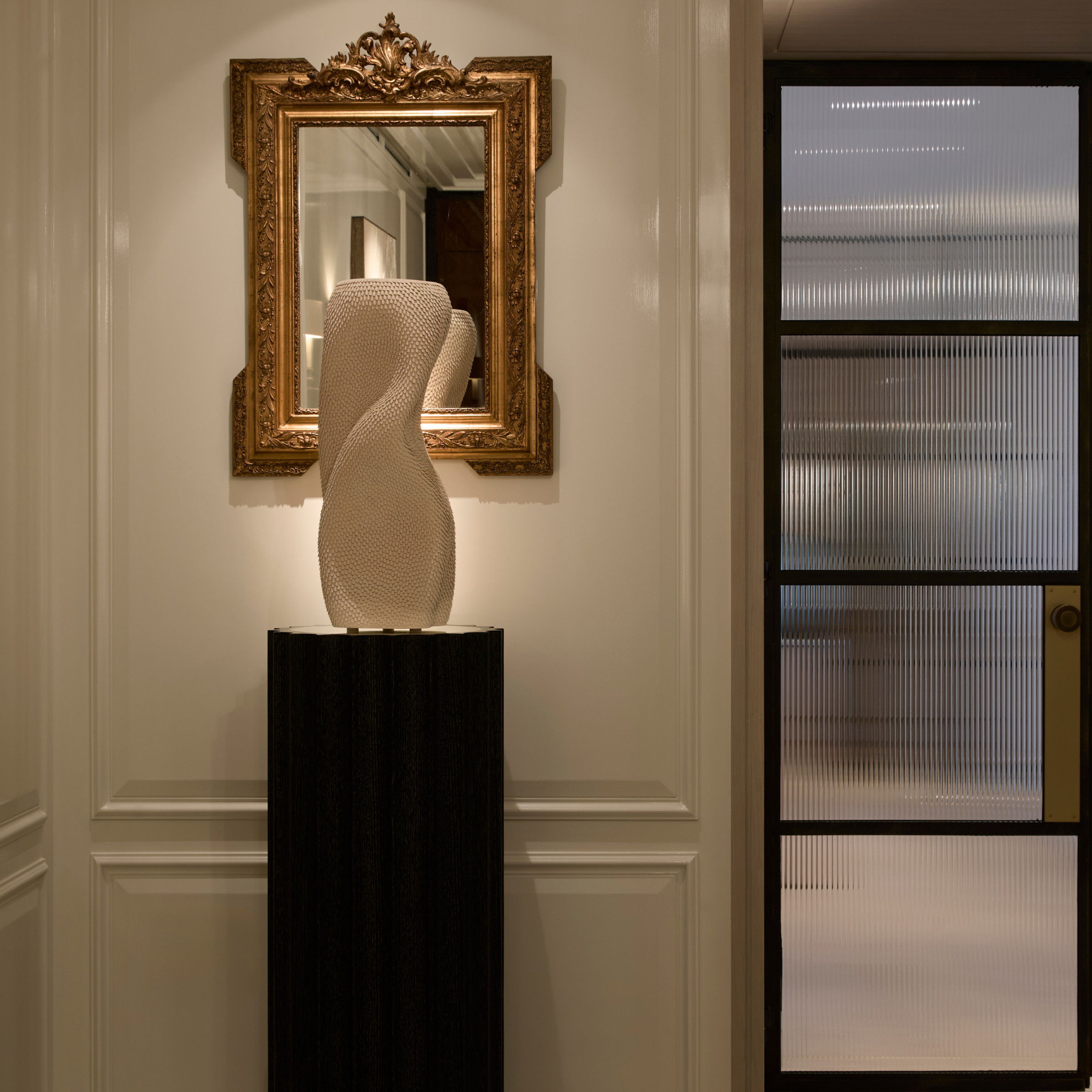
One of my favourite approaches is to paint the walls, mouldings, skirting and sometimes even the doors in the same colour. Rather than relying on contrasting colours to highlight the panelling, the interest comes from the subtle shadows created by the mouldings. I find this creates a much more sophisticated and timeless effect.
Natural timber is another wonderful option and can introduce warmth and texture, particularly within contemporary schemes. Specialist paint finishes, limewash and other textured finishes can also prevent newly installed panelling from feeling too perfect or stark.
Plan the Panelling as Part of the Entire Room
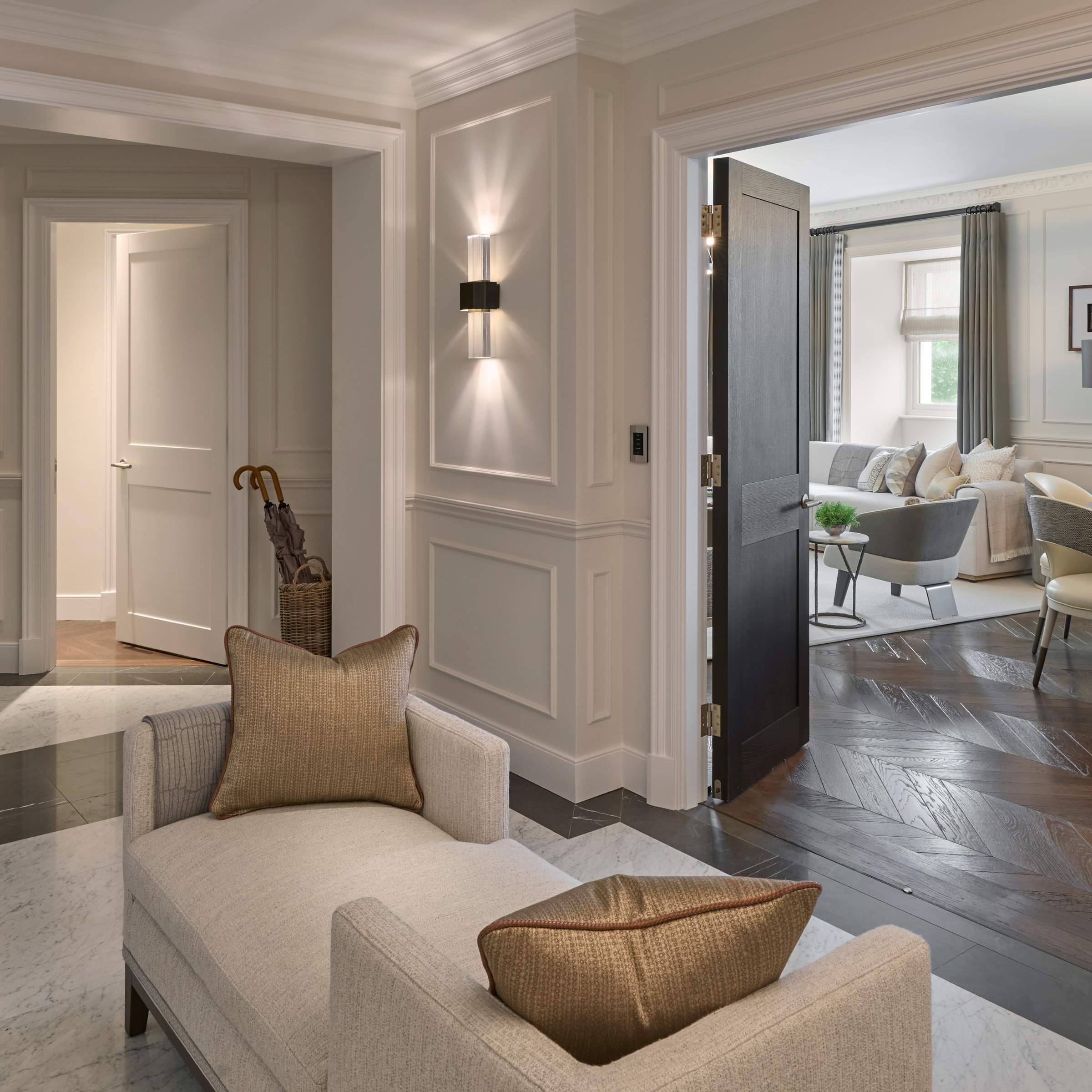
Knowing how to choose wall panelling is ultimately about understanding that no design decision exists in isolation.
Your panelling needs to work with the flooring, joinery, furniture, lighting, curtains, artwork and decorative finishes. If you select each element individually because you love it, you can end up with a room full of beautiful things that don’t necessarily work together.
Ultimately, when deciding how to choose wall panelling, I always come back to the architecture of the property. The most successful panelling shouldn’t feel like an addition or a passing trend; it should feel as though it belongs to the room.
If you’d like to see how we use wall panelling as part of a complete interior scheme, take a look around our Notting Hill project on YouTube.
Frequently Asked Questions About Wall Panelling
How do I choose the right wall panelling for my home?
When deciding how to choose wall panelling, start with the architecture of your property rather than a particular trend. Consider the period of the building, ceiling height, existing mouldings, doors and windows, as well as the furniture and artwork you intend to use. The panelling should feel appropriate to the architecture and proportion of the room.
What type of wall panelling is timeless?
Simple, well-proportioned wall panelling styles tend to have the greatest longevity. Traditional moulded panelling can work beautifully in period properties, while simpler profiles are often more appropriate for contemporary homes. I would avoid choosing very distinctive detailing purely because it is fashionable.
Does wall panelling make a room look bigger or smaller?
The proportions of your interior wall panelling can influence how a room feels. Vertical panels can emphasise height, while wider panels can make a wall feel more expansive. Too many narrow panels can make a small room feel busy, so always consider the entire elevation before deciding on the layout.
Should wall panelling be lighter or darker than the walls?
It doesn’t need to be either. One of my favourite wall panelling ideas is painting the walls and mouldings in the same colour so that the detail is created through light and shadow rather than contrast. This often gives a softer and more sophisticated result.
For more inspiration, explore our portfolio to see how I translate timeless design principles into distinctive, character-filled homes. For exclusive behind-the-scenes content, including project reveals, product collaborations, and more insights into our design process, subscribe to our YouTube channel.
If you’re planning a renovation or designing a new space from scratch, our expert guidance will help you avoid costly mistakes and ensure your home reflects your personal style. Sign up for the Sophie Paterson Acdemy here and start transforming your spaces with the confidence of a professional designer. Don’t just take my word for it, read our reviews on Trustpilot to see how our students have transformed their homes and gained real confidence in their design decisions.
If you would like ongoing inspiration and advice, The Mood Board is our private community that gives members access to exclusive content, live Q&As, expert tutorials and behind-the-scenes insight into our projects as well as a like minded community of designers and design enthusiasts to support you on your journey.
And for daily inspiration, updates, and a closer look at life inside the studio, follow us on Instagram @sophiepatersoninteriors and Tik Tok @sophiepatersoninteriors